Read
Facilitation theory uses a humanist approach to learning, developed during the 1980s by Carl Rogers. Rogers (2013) addresses two kinds of learning in his works. The learning involves rote learning, meaningless memorisation of facts, and experiential learning in everyday life that has meaning and personal relevance. He believes knowledge cannot be taught directly but only through facilitative learning. Therefore, Rogers’ theory sees the facilitator as vital in education, not as a walking textbook transferring its contents to the learners but as the facilitator of learning. The instructor facilitates learning by making the learning process more manageable and engaging through the facilitator’s attitude toward their learner relationship. Rogers (1957) proposes three core conditions to help facilitation: 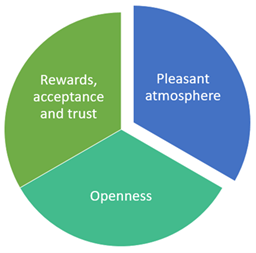
Figure 3: Core conditions in facilitation
● Rewards, acceptance, and trust These attributes are the prerequisites for educational facilitative practice. The facilitators are concerned with the learners’ approval of the feelings that encourage learning and those that hinder it.
● Establishing a pleasant atmosphere This process promotes learning and acquiring new ideas by reducing possible adverse effects of external factors.
● Openness Facilitators must encourage learners to take responsibility for their learning and actions, self-evaluate, and identify improvement areas. A facilitator can use learners’ feedback for further improvements. Advice for implementing:
● Realness Facilitators should have positive attitudes toward learners, respect, warmth, caring, liking and understanding.
● Acceptance Facilitators should reward all learners, not for their positive/negative characteristics but because they are all valuable human beings. Learners need to feel free to express their ideas and views.
● Empathy Empathy enables the facilitator to understand the reasons that led the learner to a particular behaviour or an answer and their emotional situation that needs to be solved to allow for significant learning.